What Lahore's Air Is Made Of
Lahore recorded an AQI of 296 on 28 October, the highest of any major city. The sources are traffic, industry, crop residue burning and construction. The weather only makes them visible.
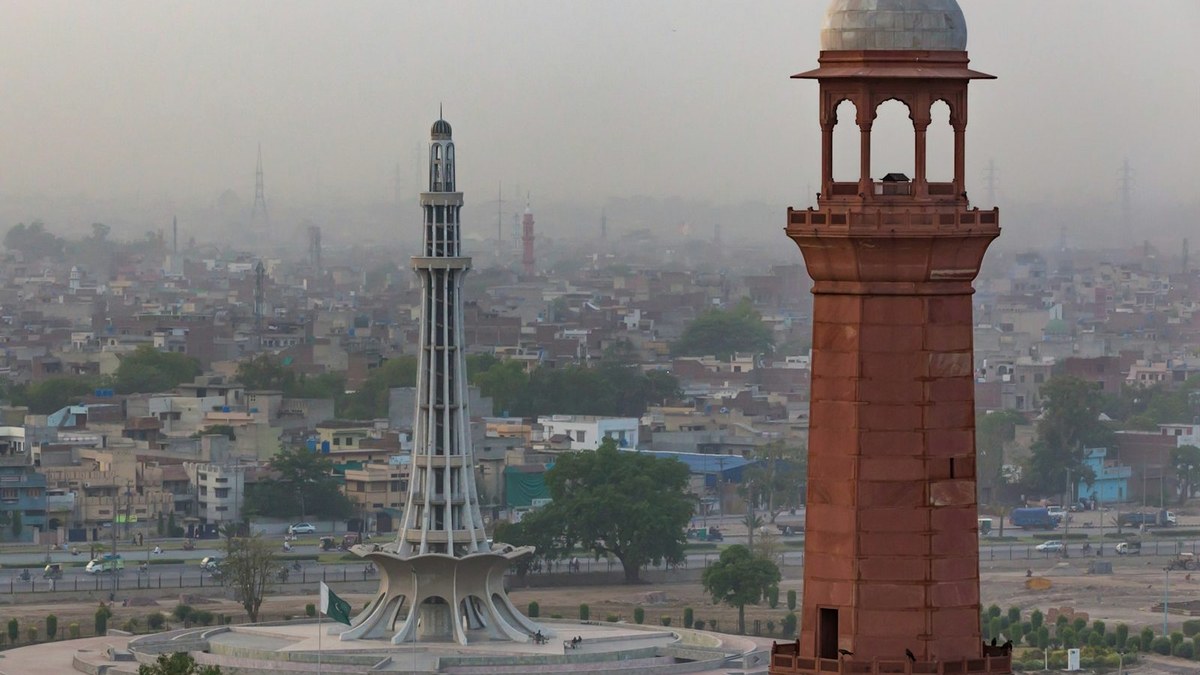
At 10am on 28 October, Lahore's AQI was 296. It was the highest reading of any major city that morning, ahead of Cairo at 289 and Delhi at 272. The city was five points below the threshold for "hazardous".
2 October167Unhealthy
→
28 October296Very unhealthy
Two single readings, 26 days apart. AQI moves hourly. The direction is the point.
The sources do not change with the season
Dawn's report on the reading lists industrial emissions, vehicular pollution, stubble burning and air movement. The Environment Protection Agency spokesperson added construction dust. These sources run all year. The winter inversion traps what they emit, and the easterly winds bring more across the border.
Traffic. Vehicles are a continuous source. The response includes checks at Lahore's entry and exit points and fines for vehicles emitting excessive smoke.
Industry. Brick kilns, factories and generators. The commissioner ordered kilns to use zigzag technology and banned black smoke. Enforcement is inspection-based, run by Punjab Climate Watch in three shifts.
Crop residue. Rice stubble burning after the harvest. As of 13 October, Lahore Division had registered one FIR, started six prosecutions and imposed Rs90,000 in fines over crop residue burning.
Construction. Dust from building sites and road work. The EPA spokesperson said development work in Lahore and other cities is contributing, and fog cannons are being used to suppress dust on roads.
The response is smaller than the problem
The state has fog cannons, drones, night squads, anti-smog squads in four districts, entry and exit checks, and brick kiln standards. It is procuring 30 more fog cannons on electric trucks. The machinery is real.
Fog cannons suppress dust. They do not reduce the emissions that produce it. A cannon can clear a corridor for an hour; it cannot change how a truck is fuelled or how a kiln is operated.
The enforcement figures point to the same gap. One FIR, six prosecutions and Rs90,000 in fines are small relative to the size of the problem. The response is episodic. The sources are continuous.
What would change the curve
The measures that would change the curve are capital and enforcement problems: public transport that people use, fuel quality, industrial standards, crop residue management, construction dust rules and green cover. None of them is a weather intervention.
Lahore's smog is not a surprise. It arrives every year, and the response arrives with it. The test is not whether the air clears in December. It usually does. The test is whether the machinery is still running in March.
Data and documents. The AQI readings and the city ranking come from IQAir, reported by Dawn on 28 October 2026. The enforcement figures are from the Lahore Division anti-smog meeting reported by Dawn on 13 October 2026.
Pakistan's Policy Rate at 12%: What the Hike Can and Cannot Do
The Disaster Was Approved Before It Was Forecast
Want to write for PIVRA? Read our submission guidelines, then send a draft to publications@pivra.org.