
Beyond the Fresh Fruit Box: A CPEC 2.0 Value-Chain Agenda for Pakistan’s Mango Exports
Pakistan’s mangoes reached 49 countries this season, yet a tonne sold in the UK earned almost five times one sold in the UAE. CPEC 2.0 should be judged by how much of that value stays in Pakistan.
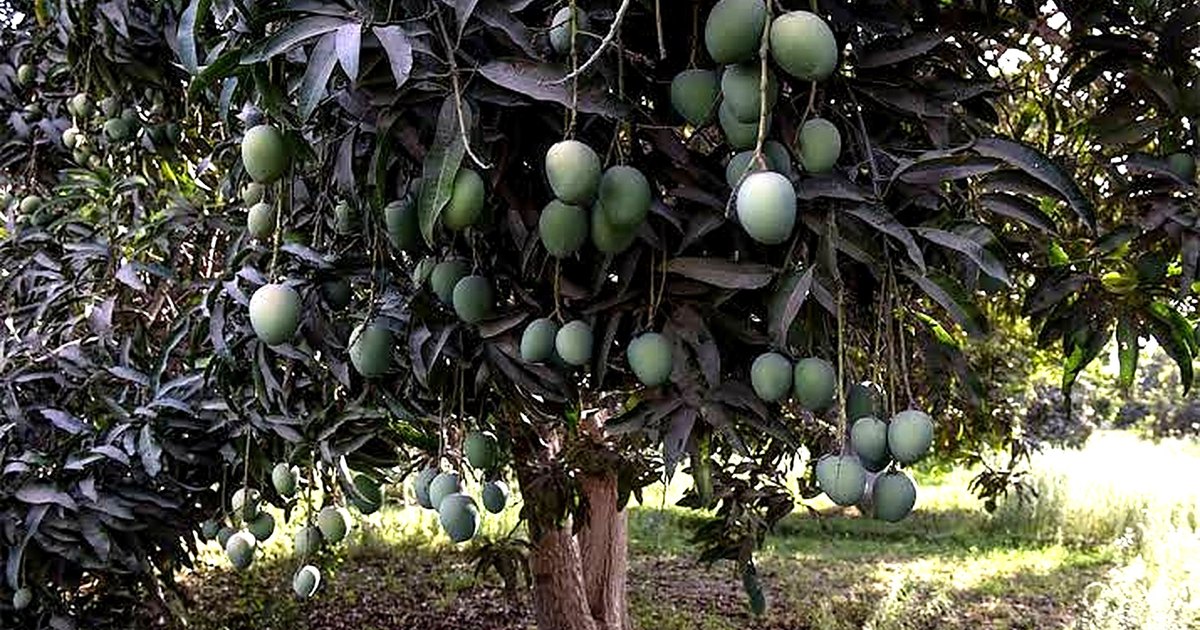

Pakistan exported fresh mangoes worth $107.09 million to 49 countries this season, shipping 85,247 tonnes, according to Pakistan Single Window figures reported by the Associated Press of Pakistan on 9 October 2026. The United Kingdom was the largest market by value and the United Arab Emirates the largest by volume. The top five destinations brought in nearly three quarters of the earnings. The reach is real. The harder question is how Pakistan earns more from a crop it already grows competitively.
The same figures show how unevenly that reach pays. A tonne sent to the United Kingdom earned about $3,700, against roughly $780 in the UAE. The UK took under a tenth of the volume but about 28 per cent of the value. Variety, freight mode and pricing basis may explain part of the gap, so quality, handling and market access deserve a closer look.
Closing it takes more than roads. It takes the productive side of the corridor: packhouses, cold storage, processing, and the investors who build them. That is where the second phase of the China-Pakistan Economic Corridor (CPEC 2.0) could contribute to export-led growth, building on the physical connectivity the first phase delivered. Reports on China-Pakistan agricultural cooperation have so far pointed to chilli cultivation, buffalo breeding and dairy processing. The task now is to turn that cooperation into export-oriented projects with measurable economic benefits.
Mangoes make a useful test case. Pakistan exports varieties such as Chaunsa and Sindhri, yet fresh fruit is exposed to perishability, uneven quality, post-harvest losses and transport constraints. Without reliable cold chains and modern handling, producers struggle to protect quality and reach higher-value markets. CPEC 2.0 should link production clusters with packhouses, refrigerated storage, efficient freight and export-oriented processing. Lower losses and more reliable supply would let exporters compete on quality, not on price alone.
CPEC 2.0 is organised around five corridors, and the Growth Corridor offers a framework for value chains that keep more of the returns in Pakistan. Instead of relying mainly on fresh fruit, the country could expand pulp, puree, dried fruit and concentrates. These products extend the fruit’s commercial life, create jobs and give fruit unsuited to premium fresh sales a market.
Special Economic Zones could carry this shift. The Board of Investment lists food processing among the intended sectors at Rashakai SEZ, and agriculture and food processing at Allama Iqbal Industrial City, Faisalabad. A matchmaking event in Beijing in November 2024, hosted by the Pakistan Embassy with the Board of Investment, produced 13 MoUs valued at $250 million for fruit, vegetable and fodder processing. MoUs are not investment, however, and zones alone are not enough. Investors need dependable utilities, transparent regulation and market access. Projects should be chosen on demonstrated supply, private-sector demand and export potential. The aim is competitive agricultural industries, not simply more processing units.
The Openness Corridor, which covers regional connectivity, links producers with national and international markets. Roads, railways, ports and border crossings can reduce transport friction, but the benefit depends on whether they connect productive regions to export destinations. For perishables, connectivity means more than highways. Refrigerated transport, temperature-controlled storage, efficient customs procedures, digital documentation and predictable schedules matter just as much. Pakistan should assess the routes from mango-growing areas in Punjab and Sindh to processing facilities, ports and overseas markets, and find where costs and delays erode competitiveness.
Central Asia is already a significant destination: Kazakhstan was the third-largest market by value, at $13.99 million. China, Pakistan’s CPEC partner, received shipments worth only about $14,500. Any push towards China should rest on market-specific feasibility studies covering phytosanitary requirements, treatment protocols, consumer demand, transport costs and commercial viability.
Pakistan should consider an agricultural export value-chain initiative under CPEC 2.0, starting with mangoes and extending to other products as feasibility allows. Four priorities should guide it. First, map production clusters, processing capacity and export logistics to identify viable investments. Second, facilitate joint ventures and private investment in processing, packaging, cold-chain infrastructure and related technology. Third, help growers and smaller exporters meet food-safety, traceability and phytosanitary requirements. Fourth, strengthen market intelligence and commercial partnerships to diversify destinations.
Implementation should involve federal and provincial agriculture departments, the Board of Investment, the Trade Development Authority of Pakistan, CPEC institutions, exporters and investors. Progress could be tracked through export earnings per kilogram, processed-product exports, post-harvest loss rates, the number of compliant exporters, private investment mobilised and the spread of earnings across destination markets, with baselines and time-bound targets set before work begins.
CPEC 2.0 should be judged by the economic activity that connectivity makes possible, not by connectivity alone. For agriculture, that means moving from shipping more commodities to producing, processing and exporting higher-value goods. Pakistan has shown that its mangoes can reach 49 countries. The next step is to keep more of the value of that journey at home.
Opinion pieces reflect the views of their authors, not necessarily an institutional position of PIVRA.


Want to write for PIVRA? Read our submission guidelines, then send a draft to publications@pivra.org.